Denim is a timeless fabric that forms the backbone of our wardrobes—from classic jeans to stylish jackets and skirts. Yet, as fast fashion continues to dominate, the environmental impact of denim waste becomes increasingly alarming. In this blog post, we’ll explore how denim can be recycled, the processes involved, and why sustainable practices are vital for both the environment and the fashion industry. Whether you’re a consumer passionate about eco-friendly clothing or a denim manufacturer looking to produce high-quality recycled denim, this guide provides valuable insights into innovative denim recycling practices.
The Environmental Impact of Denim Waste
Fast fashion has led to an overproduction of denim garments, which in turn results in an enormous amount of textile waste. Discarded denim often ends up in landfills, contributing to pollution and resource depletion. Recognizing the urgency of this issue, many industry leaders and eco-conscious brands are shifting towards sustainable denim production. By recycling denim, we not only reduce waste but also conserve the raw materials used in traditional denim manufacturing.
Mechanical Recycling: A Practical Approach
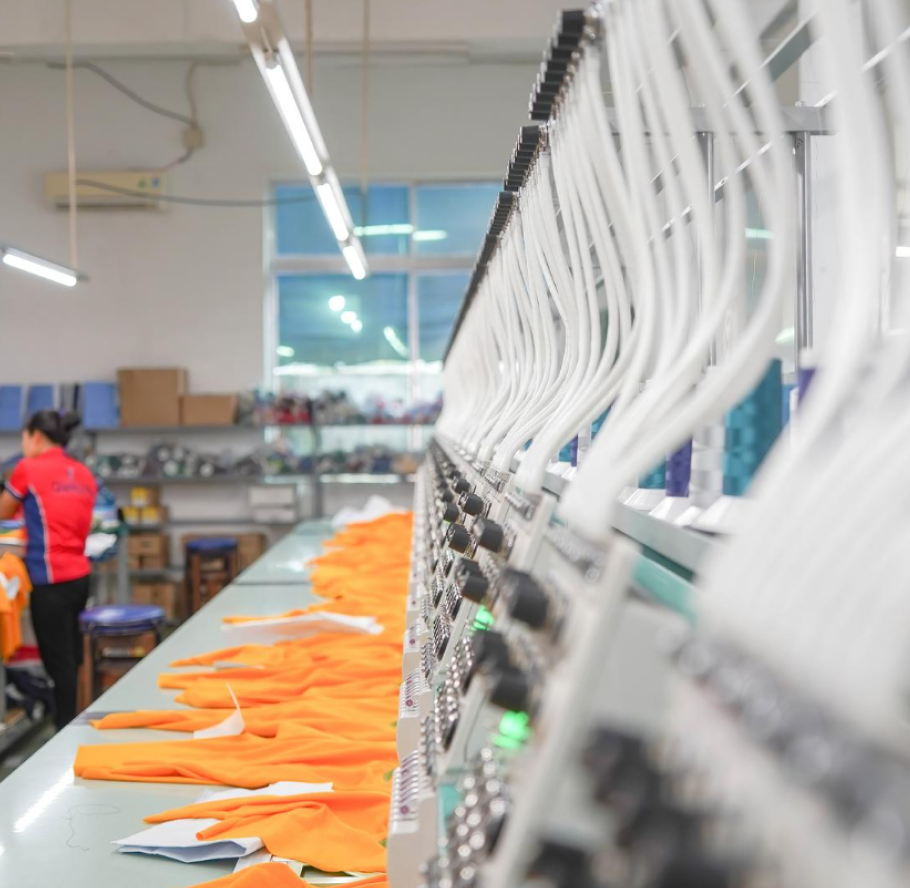
One of the most common methods of recycling denim is through mechanical recycling. This process involves:
Shredding: Denim garments are shredded into smaller pieces.
Re-fiberization: The shredded fibers are then processed and spun into new yarn.
Fabric Production: The new yarn is woven or knitted into fabric that can be used for fresh denim products.
While mechanical recycling is an effective way to repurpose denim, it does have limitations. The recycled fabric often isn’t as strong as the original denim, and removing dyes can be challenging, leading to a less vibrant product. Despite these drawbacks, mechanical recycling remains a popular method among eco-friendly denim manufacturers looking to minimize waste.
“We do not inherit the Earth from our ancestors; we borrow it from our children.”
Chemical Recycling: The Future of Denim Upcycling
Beyond mechanical methods, chemical recycling offers a promising alternative. This innovative process involves breaking down denim fabric using chemicals to regenerate new, high-quality fibers. Although still in its early stages, chemical recycling can produce a fabric that is stronger and more vibrant than that obtained through mechanical means.
As research in chemical recycling advances, we anticipate its broader adoption in the denim manufacturing industry, opening doors for more durable and aesthetically pleasing recycled denim. This method holds significant potential for brands aiming to be at the forefront of sustainable fashion innovation.
How You Can Contribute: Denim Donation and Repurposing
One of the simplest ways to support denim recycling is by donating your old denim items. Many organizations run denim recycling programs that collect, process, and repurpose worn garments. These initiatives not only benefit the environment by reducing landfill waste but also support social causes by providing job opportunities within disadvantaged communities.
When donating, ensure your denim is in good condition. Items that are excessively worn or torn might not be suitable for recycling. In such cases, consider repurposing your denim into practical items like cleaning rags, tote bags, or even crafting projects. By giving new life to old denim, you help drive the sustainable movement forward.
The Road Ahead for Denim Manufacturers
For denim manufacturers exploring sustainable options, incorporating recycled denim into your production process is not just an environmental imperative—it’s a competitive edge in today’s eco-conscious market. By investing in advanced recycling technologies and embracing both mechanical and chemical recycling methods, you can produce high-quality, sustainable denim that meets consumer demands.
Innovative techniques and eco-friendly practices are paving the way for the next generation of denim products. Whether you’re looking to expand your product line with recycled denim or searching for an environmentally responsible manufacturing partner, the future of denim is both sustainable and stylish.




Fredie McCarney
Non quam lacus suspendisse faucibus interdum posuere lorem, est ultricies.